


The goal of the keto diet is to bring the body into a state of ketosis, that is, to force it to draw energy from the breakdown of fat deposits.What are the principles of the ketogenic diet and what does a sample menu look like?
The keto diet is not a typical weight loss diet.It was created for medicinal purposes to help relieve various conditions, such as drug-resistant epilepsy.Also used as a support for certain other conditions (e.g. Dravet syndrome, Rett syndrome, Douz syndrome or Bourneville tuberous sclerosis and insulin resistance).
It's not clear why the ketogenic diet reduces the symptoms and frequency of epileptic seizures.Experts suspect this may be because ketone bodies protect nerve cells from free radical attack.
However, its slimming properties were quickly appreciated.Currently, the keto diet is very popular among athletes participating in various competitions (e.g. bodybuilding).
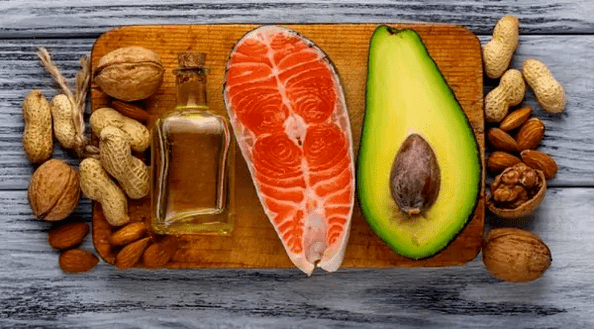
The keto diet is a way to lose weight quite quickly: you can even lose 1 kilo in a week.However, it is useful to familiarize yourself with its principles before starting a diet, to use it correctly and not put your health at risk.It is much safer to use it under the supervision of a doctor or nutritionist.
Keto diet: what is it and what do you eat with it?
The keto diet is based on the assumption that if the body does not receive carbohydrates, it begins to look for other sources of energy, in this case it will be ketone bodies formed during the breakdown of fats.However, fats are energy-rich materials that are much more difficult to digest.
This state of the body is called ketosis.During ketosis, the body takes energy from what is available and begins to burn accumulated fat, that is, it gets rid of unnecessary pounds.
Good to know: Ketogenic diet and epilepsy
The anticonvulsant effect of the ketogenic diet is likely the result of the conversion of nerve cell metabolism to burning ketone bodies, as well as the effect of free fatty acids on neuronal cell membranes, as well as a decrease in glucose intake.This leads to changes in metabolism and transmission in the nervous system, leading to decreased neuronal excitability.
The ketogenic diet, also known as the keto diet, is high in fat, moderate in protein, and low in carbohydrates.Research shows that the diet is very effective when losing weight.The diet results in fat burning, all without the energy lectures typical of this period.
The mechanism of action is based on achieving a state of ketosis.This condition requires a significant reduction in carbohydrates so that the body obtains energy from the breakdown of accumulated fat.
- What is ketosis
Ketosis promotes the production of ketone bodies by the liver.Low blood sugar causes the formation of tiny energy molecules called ketones, made from fat.When dieting, these ketones fuel our body.
As a result of ketosis, fat is broken down, which the body uses for energy purposes for its current needs.The state of ketosis is achieved by reducing the amount of carbohydrates consumed.Their amount may be slightly different for everyone - most often ketogenesis occurs when carbohydrate consumption is reduced to 50 grams per day.
What are the types of ketogenic diet?
The ketogenic diet comes in several varieties:
- Standard (SKD) - calories in this version are broken down into: 75% fat, 20% protein and 5% carbohydrates.
- High-Protein Keto Diet – This type of keto diet contains a slightly increased amount of protein, breaking down calories to 60% fat, 35% protein, and 5% carbs.
- The cyclical diet (CKD) includes 5 ketogenic days and 2 carbohydrate loading days, this version is used, among others, by professional bodybuilders.
- Targeted (TCD) is another option that allows you to include more carbohydrates during your training period.
In this article, we will focus on the standard ketogenic diet, which is the most studied of the varieties mentioned above.
Principles of operation, essence and basic rules
The most important part of the ketogenic diet is planning and purchasing quality, suitable foods from which we can get all of our macronutrients.
- Limit carbohydrates – ketone bodies are produced when the amount of sugar in the blood is limited;the daily amount of carbohydrates consumed should not exceed 20-50 grams.
- Use healthy fats - the less processed the better, definitely avoid margarines and processed oils - they contain trans fats which are not very good for our bodies.
- Sources of fat for a keto diet should be:
- saturated fats: animal fats (shank, bacon, chicken legs, lard, beef steak);
- coconut oil (an important source of MCT – medium chain fatty acids);
- dairy products, etc.;
- monounsaturated fats: olive oil, olives, nuts;
- polyunsaturated fats: omega-3 (in supplement form), fish (in moderation due to heavy metals), flaxseed oil, flax seeds, chia seeds, avocado, sesame, eggs.
- Don't overdo it with protein - the upper limit of protein in the diet is 35% of total calories, too much can interfere with the transition to ketosis and overload the kidneys and liver.
- Protein sources should be:
- animal proteins: beef, pork, veal, lamb, poultry (including skin, fat, etc.), sausages (from verified sources), bacon, etc.
- fermented milk products (if there are no problems with excess estrogen or intolerance): cheese, cottage cheese, etc.
Another important aspect is purchasing flaxseed oil.Due to its unsaturated acid content, the oil is very sensitive to temperature, light and other factors which can oxidize it and destroy its essential nutritional and beneficial properties.In no case should you buy flaxseed oil stored in a store on a shelf at room temperature.Such storage deprives it of its nutritional value.
- Supplements – You can take vitamin and mineral supplements (e.g. omega-3) during the diet.Eliminating grain products and certain fruits can lead to deficiencies.However, this is an individual matter and of course depends on the food you eat and your diet.In addition to essential vitamins and minerals, we can of course use diet pills - keeping in mind of course that they are only a complement to a balanced diet.
- Carbohydrate sources on a ketogenic diet may include:
- fiber: wheat bran, vegetables such as broccoli, spinach, etc.;
- all green and low-carb vegetables: broccoli, spinach, pumpkin, tomatoes, peppers, etc.;
- fruits* (maximum up to 10 g per day): raspberries, apricots, plums, apples, etc.
Fruit is not a necessity on a ketogenic diet, but it is worth consuming in the form of, say, an apple or several plums per day due to its rich nutritional value and fructose content.Carbohydrates on a ketogenic diet are strictly controlled, and vegetables should not be added “by sight” at the start of the diet.
The body needs to reach a state of ketosis, and too many carbohydrates can prevent this.Remember that carbohydrates are found not only in vegetables and fruits, but also in nuts, bran, protein supplements and other products, the composition of which must be strictly controlled.
The keto diet is associated with rapid weight loss without feeling hungry.However, uncontrolled use of the ketogenic diet can actually be very harmful.Anyone considering this type of diet should weigh the pros and cons.
What foods can you eat: list
The state of ketosis occurs when there is no sugar in the blood.So it seems obvious that you should eat low-carb foods.First of all, you need to make a list of foods allowed on the ketogenic diet.
- Fish and seafood - especially the fatty ones - will provide you with plenty of protein and healthy fats (including omega-3), frequent consumption of sea fish can increase toxic contamination of the body, if possible, choose wild fish.
- Eggs are a product that can be prepared in different ways: boiled, fried, scrambled or scrambled.Of course, if you have the chance, try to buy free-range eggs.
- Dairy products - cheese and cottage cheese are welcome in the diet;Unfortunately, you should avoid milk: the sugars it contains can quickly increase your carbohydrate intake.
- Butter – The keto diet is high in fat, supplemented with olive oil, coconut oil, and ghee.Consumption of fatty sauces or sauces is strongly recommended during this diet.However, try making them yourself using healthy fat sources.
- Nuts and seeds are a very good source of fat and make a great snack.Choose from macadamia nuts, pecans, Brazil nuts, walnuts, pistachios, almonds and sunflower seeds.
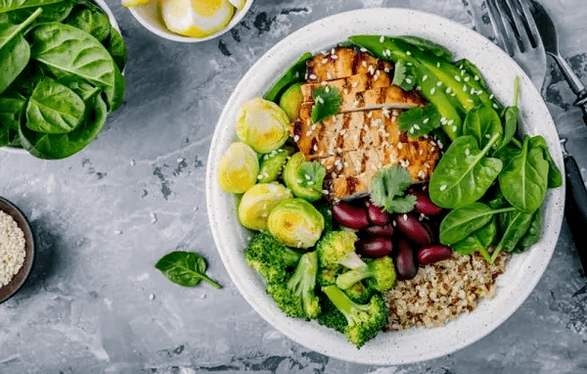
- Vegetables – A healthy diet should of course include vegetables.The first rule when choosing keto vegetables is to choose those that grow above ground.Green leafy vegetables are particularly recommended.The diet should include cauliflower, broccoli, Brussels sprouts, zucchini, avocado, olives, peppers, cabbage, spinach, asparagus and lettuce.
- Fruits – along with vegetables, provide the body with essential vitamins and minerals.However, you must be particularly careful with fruits during a ketogenic diet so as not to overdo it with the amount of carbohydrates.Low-carb fruits include blackberries, strawberries, raspberries and blueberries.
- Tea - Drink a glass of green tea every day, it contains substances that cleanse the body of toxins and promote fat burning.
At a restaurant or cafe for dinner, instead of fries or a portion of potatoes, just ask for an extra portion of fresh vegetables.
Keto diet: what foods you shouldn't eat
Unfortunately, like almost any diet, it requires us to make certain sacrifices and give up foods that have been frequently used until now.
If you are unsure whether a product is safe to eat, check its carbohydrate content.Too much sugar will prevent you from entering a state of ketosis, meaning all your efforts will be in vain.
- Sugary drinks – water should now be your best friend.For flavor, you can add lemon, lime, or mint juice.
- Sugar - if you can't imagine your morning coffee without this additive, choose a sweetener.
- Alcohol – In particular, drinks with a high sugar content should be avoided.On a ketogenic diet, you'll notice an increased sensitivity to alcohol: a few glasses of the stronger drink can have the same effect on you as a whole bottle on a traditional diet.
- Bread – unfortunately grain bread is not an option.However, you can make your own keto bread: all you need is coconut flour, eggs, salt, baking powder, and spices.
- Rice and pasta are high in carbohydrates;instead, you can make fries using kohlrabi or green beans.
The keto diet requires limiting high-carb foods, but you can easily find keto recipes for many delicious foods, including ice cream and cakes, that you can eat on a keto diet.
Side effects and consequences
Although the keto diet is considered healthy at first, some side effects can occur.They usually last about a week, that is, until the body adapts to the new diet.
A common complaint is the so-called keto flu.The term is often used to describe symptoms of the adaptation period during which the body changes its energy intake from carbohydrates to fats.
Keto flu, also known as carb flu, can include:
- weakness;
- headaches;
- sleep problems;
- complaints from the gastrointestinal tract;
- muscle pain and cramps.
This period usually lasts about a week and each person may go through the adaptation period differently.However, not everyone suffers from the "keto flu" - it depends on the individual predispositions of the body and dietary balance.The proper functioning of electrolyte metabolism is particularly important.
In addition, it should be borne in mind that the keto diet, when used for a long time, can cause side effects such as: constipation, acne, lethargy or irritability, increased cholesterol and the formation of kidney stones.
This happens because the ketogenic diet lacks many essential nutrients: vitamins, minerals, and fiber.It is very common for people who decide to try this diet to include supplements.
It also highlights the dangers associated with the accumulation of methylglyoxal and its byproducts, considered a risk factor for blood vessel and tissue damage.
A large amount of fat in the diet can lead to dysregulation of intestinal motility and constant pain in the lower abdomen.
People following a ketogenic diet often complain of urinary frequency.After a long period of dieting, gout and high uric acid levels may develop.
Contraindications
The ketogenic diet is a low-carbon, high-fat diet.The daily diet contains up to 90 percent fat!Is the keto diet safe?
First of all, it should be emphasized that such a diet is intended for healthy people who do not suffer from chronic diseases.Many conditions require a special diet, consult a specialist if:
- diabetes;
- you are taking medication, for example for high blood pressure;
- you are pregnant or breastfeeding;
- The keto diet is absolutely not recommended for people with liver, kidney and pancreas problems, as these organs will have to deal with a lot of stress caused by the metabolism of ketone bodies.
In addition, doctors and nutritionists warn that such a diet can disrupt hormonal balance.
Keto diet - sample menu for a week for women to lose weight
Despite some limitations, the ketogenic diet doesn't have to be boring.When thinking about your diet, it is worth creating a suitable ketogenic diet menu in advance.
A healthy menu for the whole week is therefore an excellent solution.You will then be able to plan your meals well and make your purchases in advance for the whole week.
So, what does this sample ketogenic diet menu look like?To help you get started on the ketogenic diet, here is a weekly keto menu that you can vary according to your individual nutritional needs.
Remember to only eat when you are hungry.If you don't need snacks, avoid them.
Table: meals per day on a ketogenic diet for a week
| First breakfast | Second breakfast | Lunch | Afternoon snack | Dinner | |
| 1 day | Omelette of 3 eggs fried in butter + a few slices of bacon or bacon + marinated cucumber. | A handful of walnuts or almonds.(maximum 20 almonds or small walnuts and 10 large nuts such as macadamia or pecans). | Fried zucchini with ham.Brown the zucchini and ham in olive oil, add the garlic, chopped onions and tomatoes.Serve everything with grated parmesan or another cheese. | Full-fat plain yogurt with flax or chia seeds.(add up to two teaspoons of seeds). *Optional: a few blueberries or raspberries (not recommended for the adaptation period). |
Chicken salad.Cut the chicken breast into strips and fry in melted butter or lard with your favorite spices.Chop the lettuce leaves, mix them with the tomatoes, cucumbers and peppers.Add the fried chicken.Drizzle balsamic vinegar over the salad. |
| Day 2 | Ham or other sausages containing more than 90 percent meat.Crushed tomato salad with onions and olive oil. | A milkshake made with half a glass of coconut milk and a handful of raspberries or blueberries. | Pork neck or pork shank cooked in lard and onions.Eat meat with lots of sauce + pickles or sauerkraut. | Chopped vegetables (e.g. celery, cucumber, tomato, pepper) seasoned with garlic sauce (plain or Greek full fat yogurt with garlic and spices). | Grilled salmon with green salad, drizzled with olive oil and lemon juice. |
| Day 3 | Omelette with bacon, tomatoes and cucumbers. | Greek yogurt or full-fat plain yogurt with a small handful of nuts (like pecan, Italian, or macadamia). | Roast chicken with blanched broccoli and yogurt or garlic sauce. | Half an avocado sprinkled with lemon juice. | Baked pork loin with vegetables in a pan, fried in lard or ghee.(ready-to-use frozen commercial mixes can be used as vegetables, provided they do not contain potatoes). |
| 4 days | Full-fat plain yogurt with a handful of nuts or seeds (sesame, sunflower, chia seeds). | A handful of pumpkin seeds or sunflower seeds.They must be natural, not fried or salted. | Halibut cooked in foil with herbs, lemon juice and asparagus. | Several good quality sausages.Several cherry tomatoes or radishes. | Green salad with half an avocado, tomatoes, any spices and olive oil.Cut all the ingredients into cubes, add the olive oil and mix. |
| 5 days | 2 egg omelette with cheese, onions and mushrooms.Fry in coconut or ghee. | A handful of nuts + ½ avocado. | Baked chicken leg with rosemary and onion.Serve with tomatoes and onions.Eat the chicken thigh with the skin. | Greek yogurt with a handful of sunflower or pumpkin seeds. | Baked cod with lemon juice.Boiled Brussels sprouts. |
| Day 6 | Tuna salad, tomatoes, diced avocado and olive oil.Season with your favorite herbs. | Greek yogurt or full-fat natural yogurt with a small amount of raspberries or blueberries (fruits not indicated for adaptation). | Braised pork neck or shoulder with peppers and mushrooms.Chop the meat and vegetables, fry in oil, simmer in a pan until tender, season with spices. | Milkshake made with half a glass of coconut milk and raspberries or blueberries. | Mozzarella cheese with tomatoes, arugula and basil, generously drizzled with olive oil. |
| Day 7 | Omelette of 3 eggs fried in butter, with diced fresh pepper. | A handful of pumpkin or sunflower seeds.They must be natural, not fried or salted. | Baked trout with lemon juice and avocado slices. | 2 cups of vegetables - cucumbers, tomatoes, radishes. | Shrimp simmered in melted butter with garlic and parsley.A salad of different types of lettuce, drizzled with lemon juice and olive oil. |
Note.The menu above is just an example without the proportions and preparation method specified.
As you can see, the low-carb diet menu is really varied and tasty.Of course, you do not have to follow the rules one hundred percent, you can change them if necessary, as long as we only use foods allowed in the ketogenic diet.
Low-carb diets are quick and easy to prepare, so their daily preparation will not take much time.
Is the ketogenic diet safe during pregnancy?
Pregnant women should remember to keep their keto diet healthy and balanced.In practice, this means that the daily menu during pregnancy should contain all the necessary nutrients.
Unfortunately, the ketogenic diet largely eliminates the carbohydrates provided by a pregnant woman, such as magnesium, B vitamins, and dietary fiber.
It is also worth emphasizing that the deficiency is also important because during pregnancy, carbohydrate needs increase by about 1/3 of the standard needs.
In addition, during pregnancy, the need for fat increases, by 20 to 30% (depending on the trimester of pregnancy).
What Supplements Are Best for Keto Diet?
- MCT oil is a medium-chain triglyceride and is the “sugar” of fats.
The fact is that the energy from MCT is absorbed very quickly and instantly turns into energy, just like sugar.MCT oil helps to significantly increase the amount of dietary fat.
- Magnesium – This mineral plays a very important role in our health.
It increases energy, strengthens the immune system, controls blood sugar, and in the case of the keto diet, reduces the risk of muscle cramps that can occur when starting out.
- Vitamin D isn't just for people on a ketogenic diet.
Modern lifestyle, indoor living and stress are just some of the factors that deplete this vitamin.This vitamin may be particularly important in the context of calcium deficiency because it facilitates calcium absorption.
- Exogenous ketones – can accelerate the achievement of ketosis in the early stages of a ketogenic diet.Some scientists believe they may also suppress appetite, making weight loss easier.
The ketogenic diet, like most diets of this type, has its advantages and disadvantages.However, given the slight difference in effectiveness between traditional and ketogenic diets, it is appropriate to choose a balanced diet, perfectly adapted to the needs and functioning of our body.
With this weight loss method we can count on the healthiest weight loss effects (maximum 1 kg per week), improved health and well-being and long-lasting effects.
Important!Not all diets are healthy and safe for our body.It is recommended to consult your doctor before starting any diet, even if you have no health problems.When choosing a diet, never follow modern fashion.Remember that some diets, including those that are low in certain nutrients or severely restrict calories, can be debilitating, carry the risk of an eating disorder, and can also increase appetite, causing a rapid return to previous weight.